Corn Silage
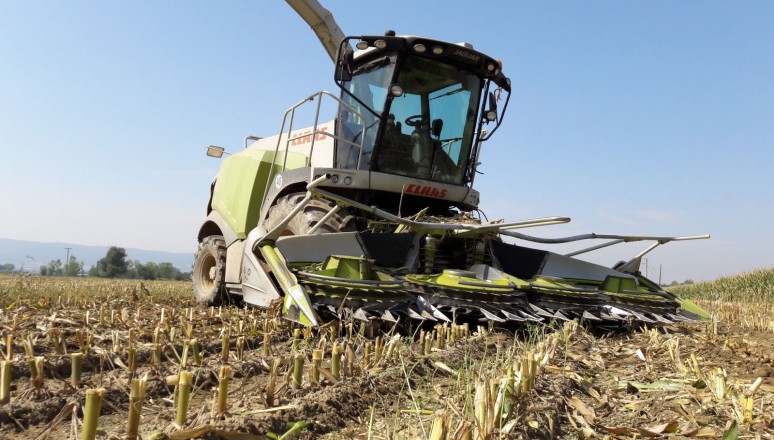
Ensiling is the method of preserving roughage in its fresh, moist state through fermentation. More specifically, forage crops, once harvested at the appropriate stage, are cut into small pieces and then gathered in special structures called silos, where they undergo certain simple processes in order to produce silage, which is ready after 35–40 days.
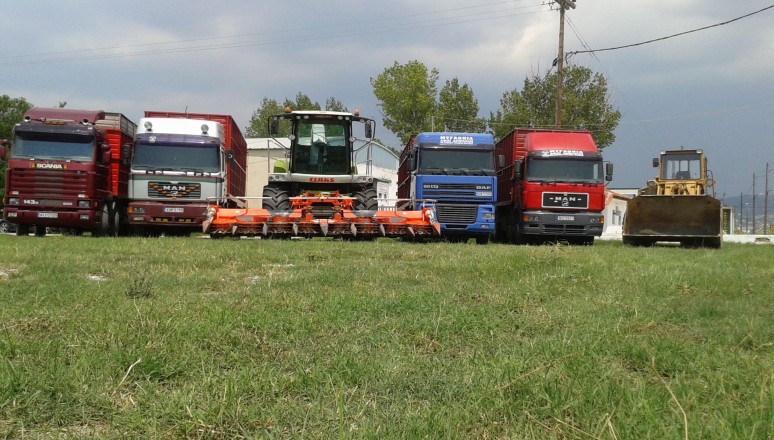
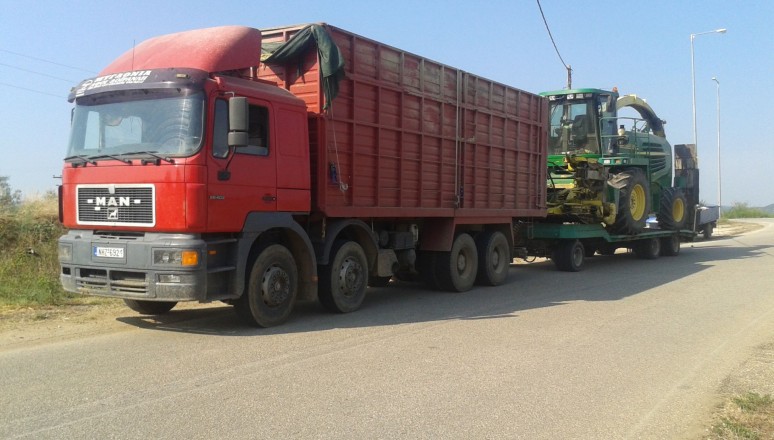
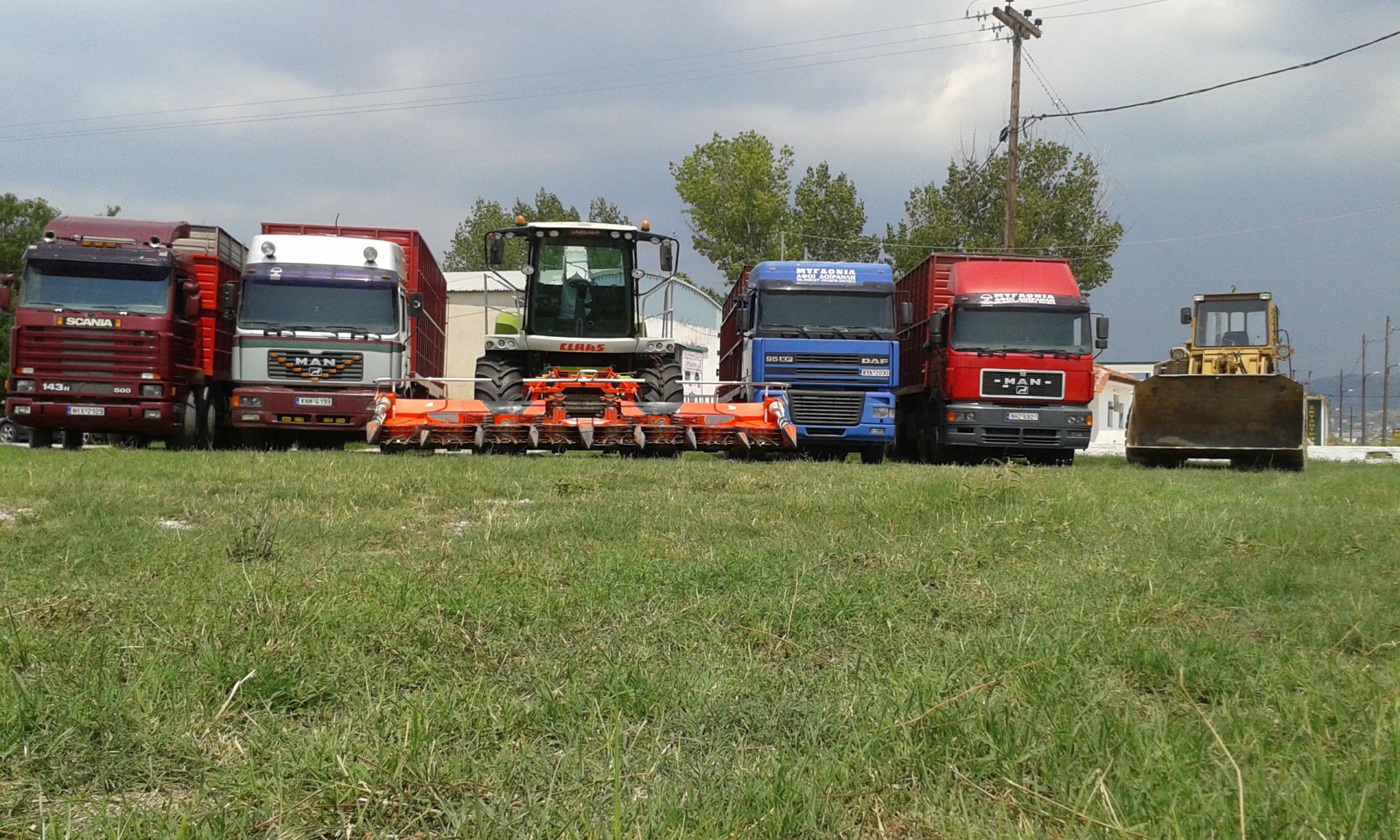
After cutting and chopping the plants, the green biomass is transported to the silo, by trucks or special trailers where it is placed on the floor and spread evenly. When the accumulated amount is sufficient, the plant layer is compacted by a heavy tractor, which passes repeatedly over the green mass. The filling of the silo (silage) continues, and the new quantities that arrive are placed in layers on the green mass that has already been compressed. Particular attention is needed in compressing the silo's green biomass, as there is a risk of mold formation and spoilage of the silage.
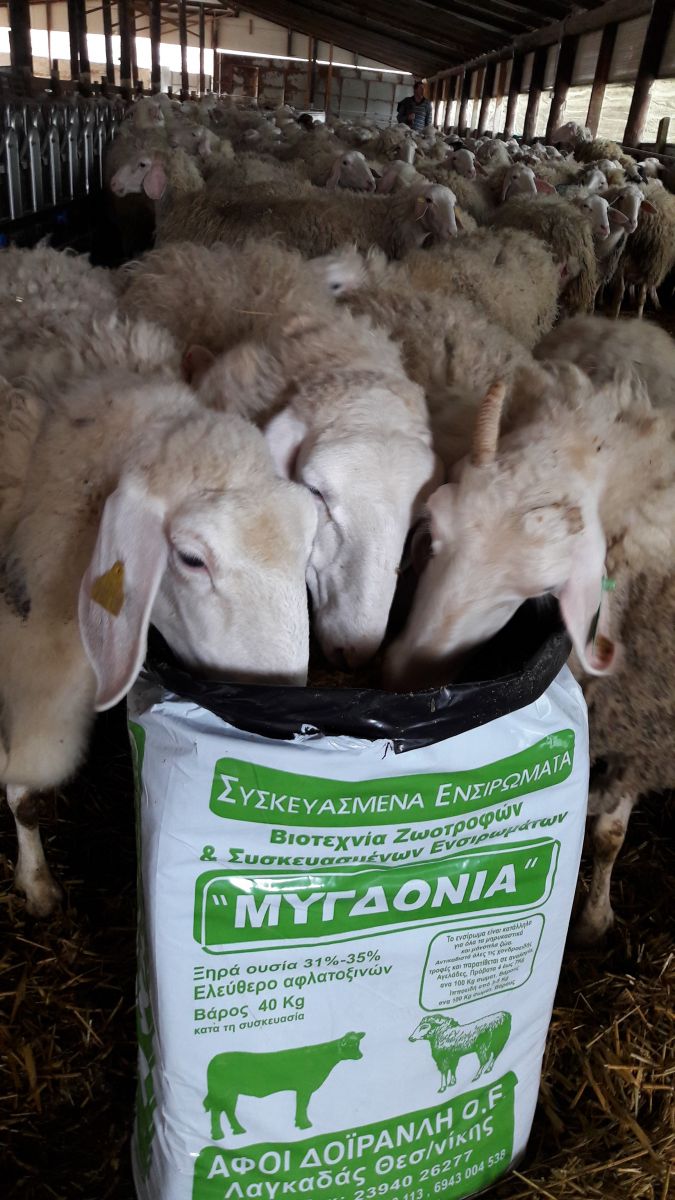
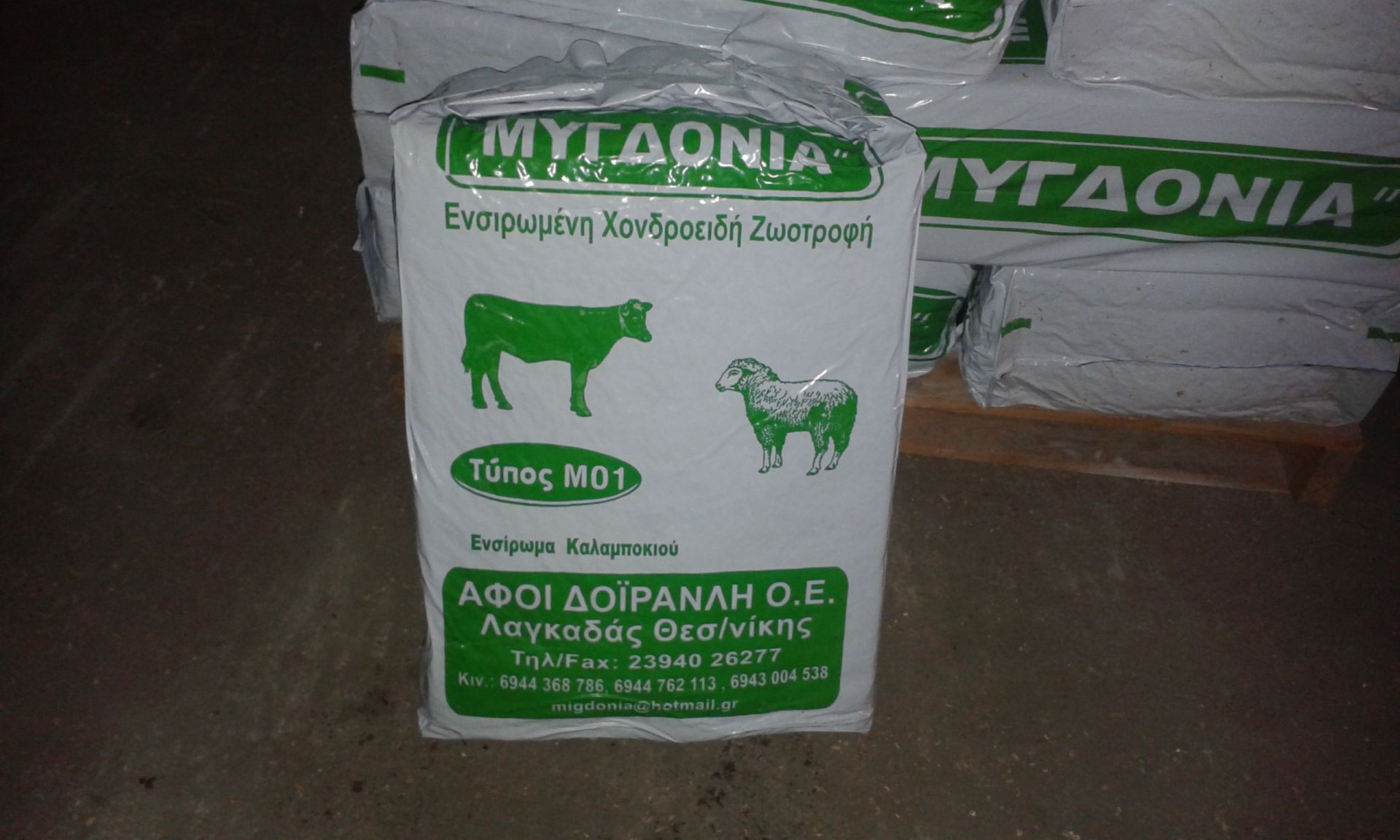
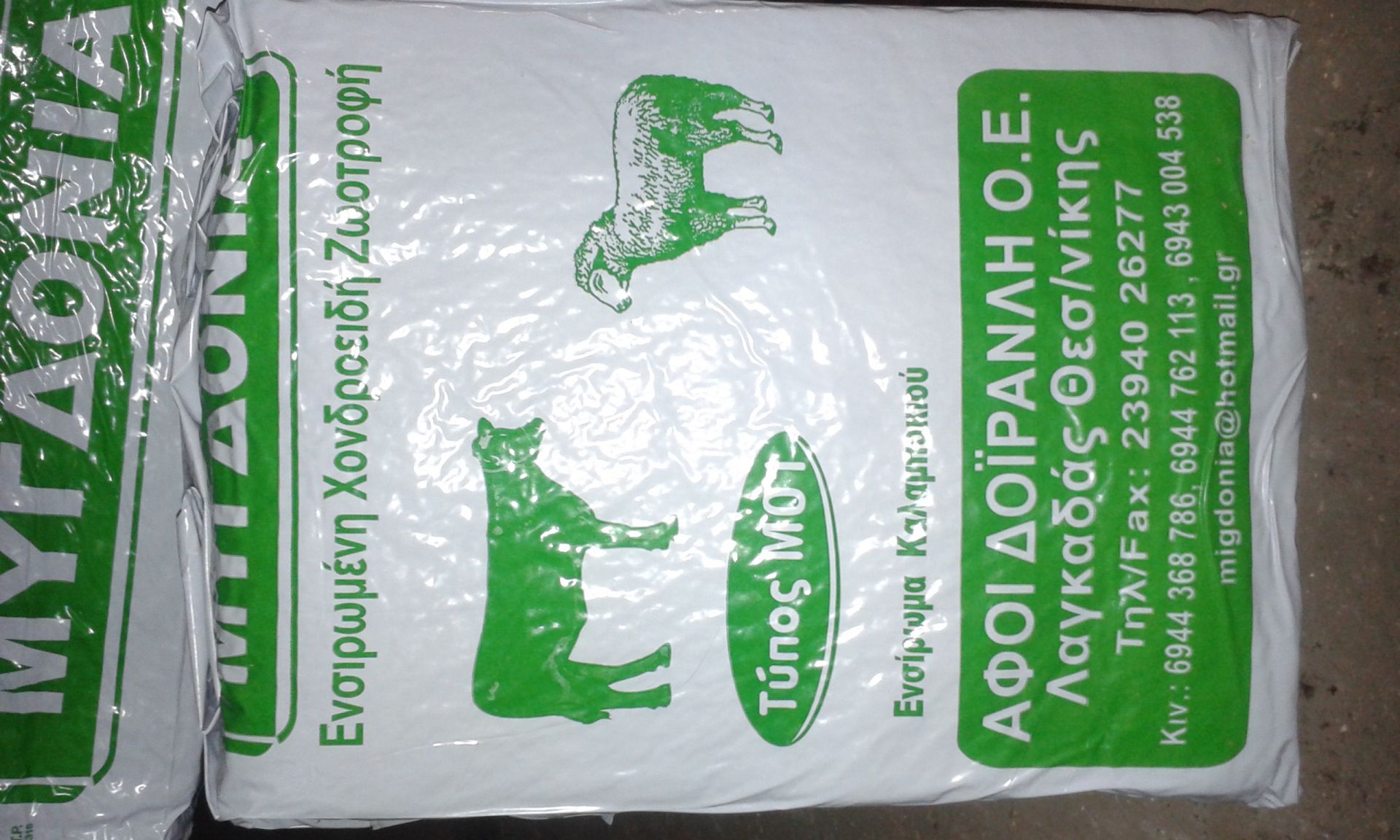
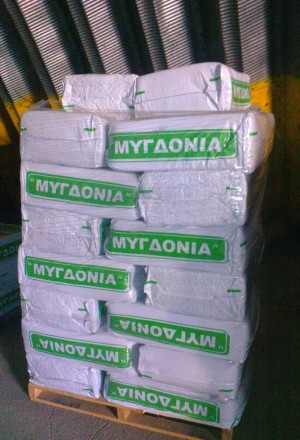
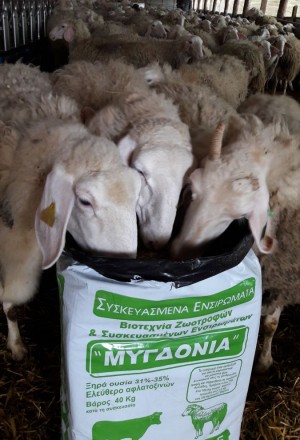
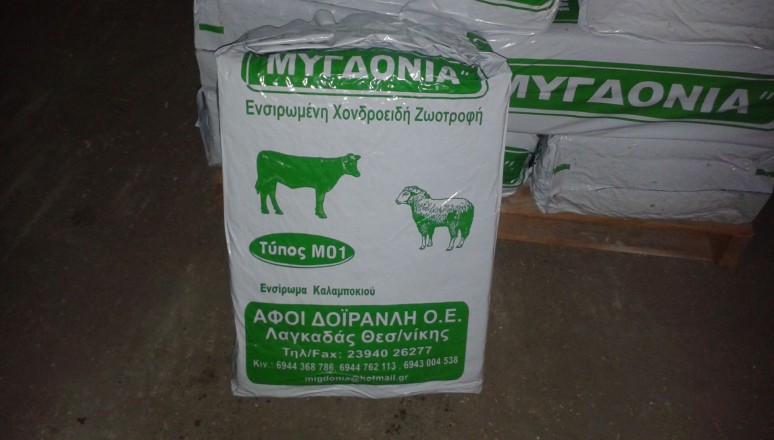
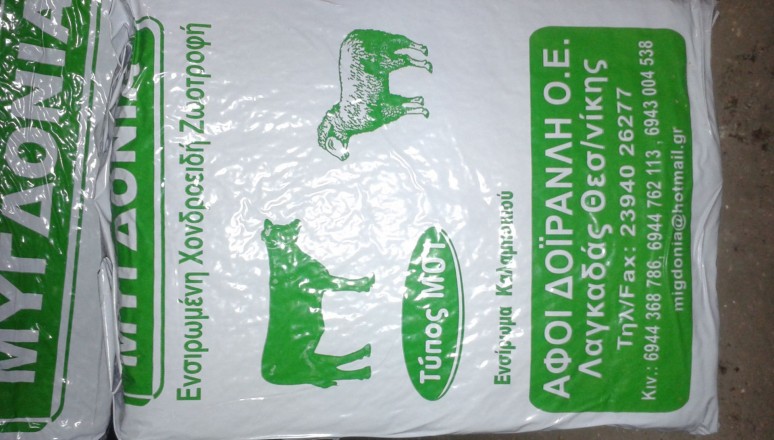
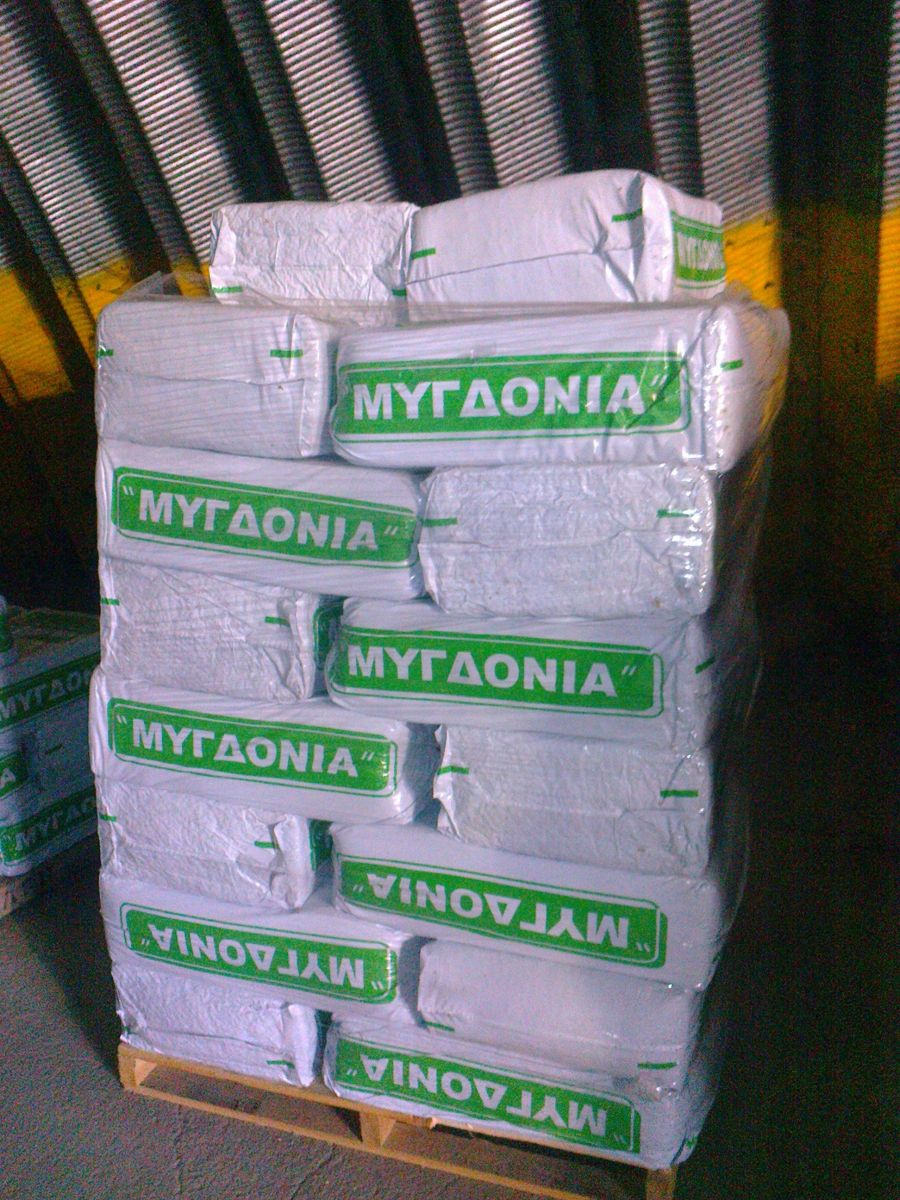
Finally, once fermentation is complete, the product is packaged in forty-kilogram bags for easy distribution in the market, always with a focus on the best quality and the lowest price.
After cutting and chopping the plants, the green biomass is transported to the silo, by trucks or special trailers where it is placed on the floor and spread evenly. When the accumulated amount is sufficient, the plant layer is compacted by a heavy tractor, which passes repeatedly over the green mass. The filling of the silo (silage) continues, and the new quantities that arrive are placed in layers on the green mass that has already been compressed. Particular attention is needed in compressing the silo's green biomass, as there is a risk of mold formation and spoilage of the silage.
Finally, once fermentation is complete, the product is packaged in forty-kilogram bags for easy distribution in the market, always with a focus on the best quality and the lowest price.
.png&w=300&h=440&zc=1 "Corn Silage")
.png&w=300&h=440&zc=1 "Corn Silage")
.png&w=300&h=440&zc=1 "Corn Silage")
.png&w=300&h=440&zc=1 "Corn Silage")
.png&w=300&h=440&zc=1 "Corn Silage")
.png&w=300&h=440&zc=1 "Corn Silage")
.png&w=300&h=440&zc=1 "Corn Silage")
.png)
.png)
.png)
.png)
.png)
.png)
.png)